
HOW TO REDUCE ENERGY CONSUMPTION IN INDUSTRIAL PAINTING LINES
Practical Ways to Reduce Energy Consumption in Wet Paint and Powder Coating Lines
Industrial painting lines are often highly energy-consuming due to their complexity, multiple interconnected components and processes requiring heating, ventilation and precise airflow control.
 Improving painting line energy efficiency can therefore significantly reduce operating costs without compromising process performance or coating quality.
From pretreatment and drying to painting and curing, there are several opportunities to reduce the energy consumption of both wet paint and powder coating lines. The largest savings often come from avoiding unnecessary energy use in the first place – through efficient line design, optimized airflow and temperatures, intelligent controls and heat recovery.
With more than 50 years of experience in the design of industrial wet paint and powder coating lines, Moldow has identified a number of practical measures that can help manufacturers reduce energy consumption and operating costs.
Why Painting Lines Consume a Lot of Energy
Painting lines are energy-intensive due to their complexity and the number of integrated processes they require. From pre-treatment and drying to coating and curing, each stage demands precise control over temperature, airflow, and timing. This intricate coordination often leads to significant energy use – much of which goes unnoticed or unmanaged.
Identifying and addressing sources of waste is key to improving overall operational efficiency and cost-effectiveness. Not so surprisingly, the largest savings are achieved by not using the energy in the first place.
In our experience, these issues listed below usually contribute to the largest amount of unnecessary energy consumption:
- Inefficient or Poor Layouts: Poorly designed workflows and equipment placement.
- Overheating: Drying or curing items at unnecessary high temperatures.
- Heat Loss: Uninsulated pipes or poorly insulated ovens.
- Excessive Airflow or Exhaust: Components such as fans running at full capacity and not according to demand, or exhaust beyond what is necessary.
- Lack of Heat Recovery: Not reusing the heat from the exhausted air.
- Lack of Planning or Production Optimization: Idle time, poor scheduling, and ineffective product loading/hanging.
How to Reduce Energy Consumption in a Painting Line
To address the common inefficiencies and reduce energy consumption, there are several practical ways of doing so. Even implementing a few of these measures can result in significant cost savings and improved efficiency.
Here are our recommendations for how to achieve an energy efficient painting process:
-
Start with an Energy-Efficient Painting Line Design
Begin by selecting a trustworthy, experienced supplier to design your painting line in the first place. The design phase is where the biggest energy-saving opportunities often lie.
For example, in some cases, switching to a dual-track conveyor can significantly cut energy consumption. In other setups, extending the oven length may allow for lower operating temperatures, delivering the same results with less energy.
Ultimately, the optimal approach depends on your specific products, volumes, and facility layout. A well-designed painting line tailored to your needs can eliminate many common inefficiencies before they even begin … and that’s where we come in with our +50 years of experience.
-
Use Well-Insulated Ovens and Ducts
Opt for low U-value ovens and insulated pipes to minimize heat loss. Ensuring the right operating temperatures further reduces energy drain.
Curing ovens designed and supplied by Moldow are built with high quality insulated panels. Numbers from a recently supplied powder coating line shows a U-value down to just 0.16 W/m2*K which ensures a highly efficient curing process.
-
Use Intelligent Controls and Frequency Converters
Investing in smart control systems and using e.g. frequency converters allows for dynamic energy management, tailoring power usage to real-time demand instead of running at fixed capacity.
-
Recover Heat from Exhaust Air
Recovering heat from exhaust air is a proven and highly effective way to reduce energy consumption. Failing to reuse this energy is quite literally like letting money vanish into the atmosphere. Instead, heat recovery systems capture and reuse it to heat incoming fresh air.
There are two main approaches to consider:
- Air-to-Air heat exchangers, which transfer heat directly from the exhaust air to the incoming air stream.
- Air-to-Water systems with heat pumps, which offer even greater flexibility by storing recovered heat for other uses within the facility.
-
Optimize Production Planning and Hanging
Streamlining how products are hung increases throughput. Naturally, running with as much items as possible will increase efficiency – whether due to optimized hanging or planning. Production planning is truly a key to an optimized line
-
Use Renewable Energy
Finally, consider solar panel installations to offset your grid consumption with clean energy, reducing long-term operational expenses.
CONTACT FORM
Final Thoughts: Efficiency Is Not Optional
As focus on environmental footprint continues to increase and energy prices continue to rise, reducing the energy use of painting lines is no longer a matter of preference—it’s a business imperative to remain competitive.
With smart investments and a thoughtful layout, manufacturers can transform energy-intensive paint operations into lean, cost-efficient lines.
At Moldow, we are always available for a discussion about your painting needs – whether it’s about optimization of an old line or design of a new.
EXAMPLES OF SUPPLIED PAINTING LINES – PROJECT DETAILS
Discover how our solutions have enhanced the quality of our customers’ painting and coating processes, with these examples showcasing a few of the successful lines that we have designed for valued customers.
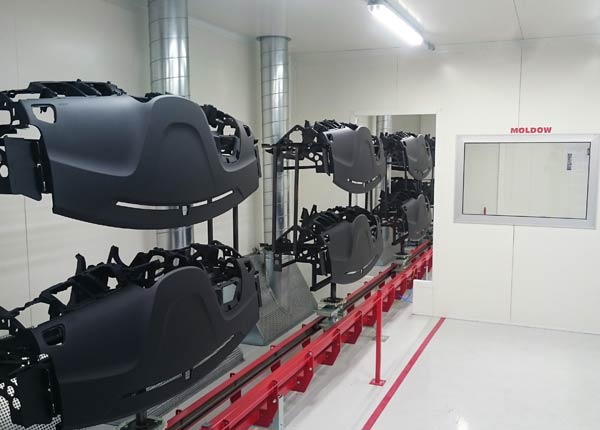
Market-leading Low Scrap Painting Line for Automotive Parts
The complete plant layout for this automotive plastic painting line was designed in close cooperation between Moldow and Farplas to optimize workflow and minimize footprint […]
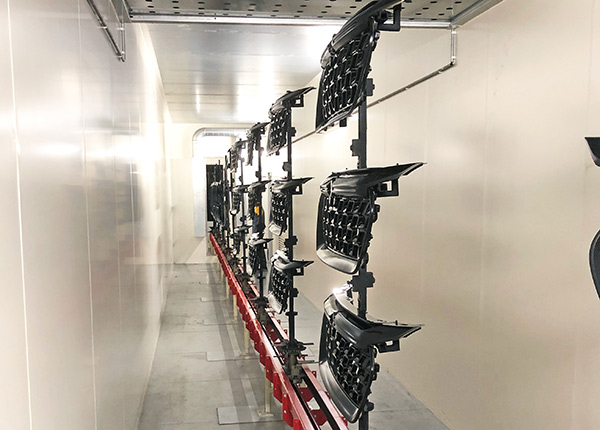
Painting Line for Tier 1 Automotive Parts
The plastic painting line that we have supplied for Polyplastics in India is used to paint the front grills and other moulded plastic parts for Suzuki, Renault and […]
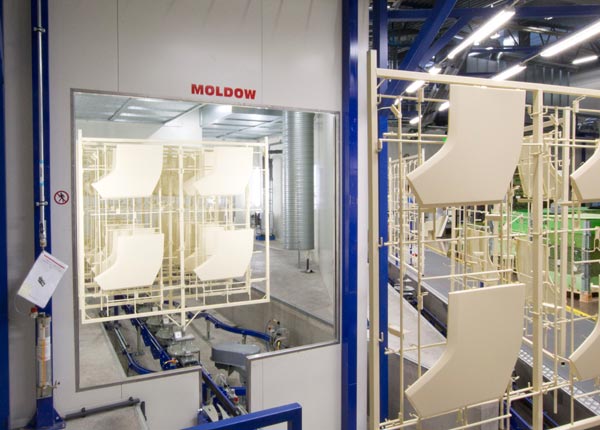
Automated Plastic Painting Line in Sweden
High quality painting of automotive plastic parts and 25% energy savings at Plastal in Simrishamn, Sweden. In early 2018, the Swedish company Plastal AB, […]
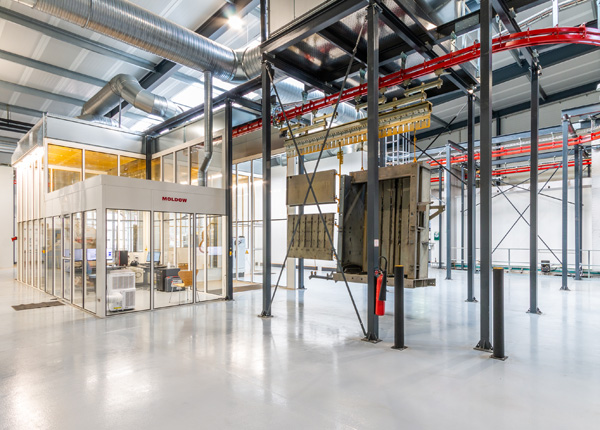
State-of-the-Art Powder Coating with Advanced Robot Application
High quality powder coating with frequent color changes at Bramidan A/S’ new painting line in Denmark. As part of a larger investment plan, they decided to replace their existing, manual wet paint line with a […]
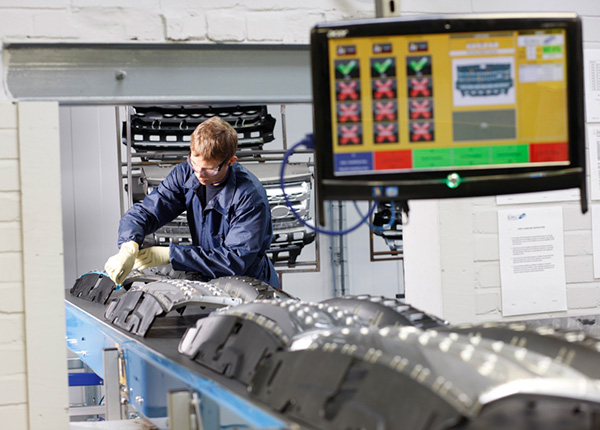
Painting Line for Plastic Automotive Trim Parts
High quality plastic painting line supplied for automotive trim part is designed to minimize contamination between the individual zones to achieve the necessary high-end product quality […]
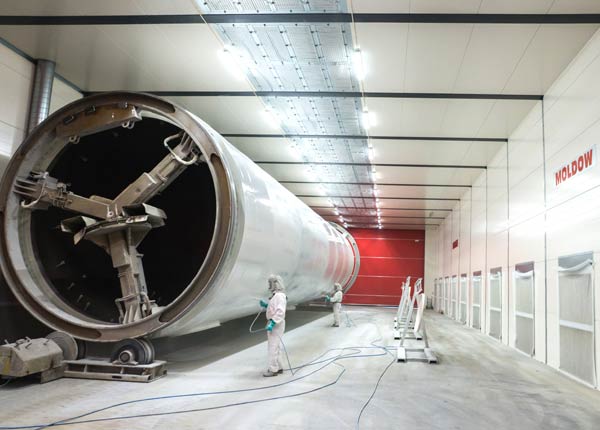
Manual Painting Line For 38 M Long Wind Turbine Towers
Moldow has delivered a painting line including sand blasting booth and two paint cabins for Titan Wind Energy in Esbjerg, Denmark – a company that produces […]
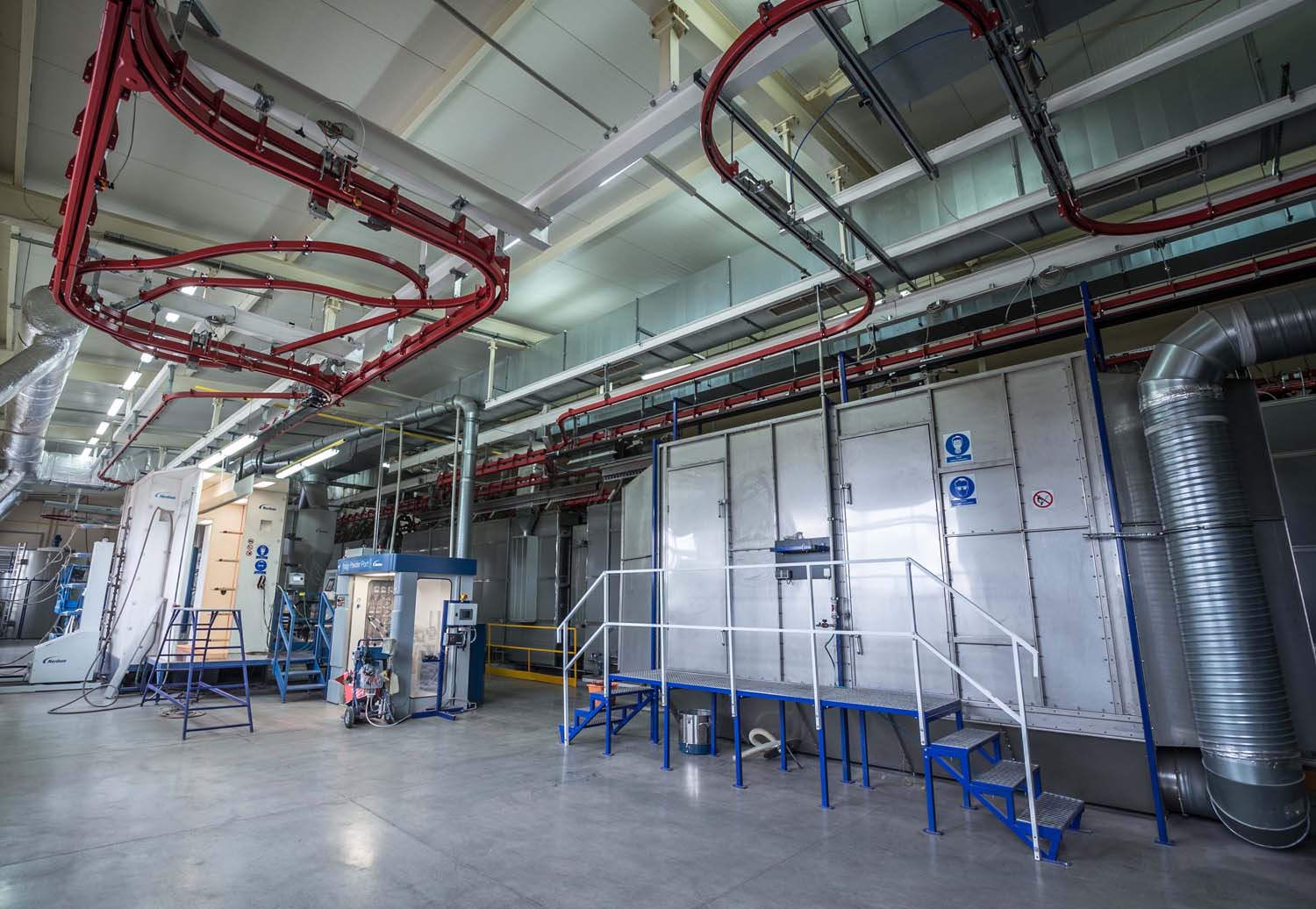
Highly Flexible Powder Coating Line for Steel and Aluminium Items
This automated painting line for powder coating of signs and boards was designed by Moldow to meet the requirements of exceptional flexibility. This was a special […]
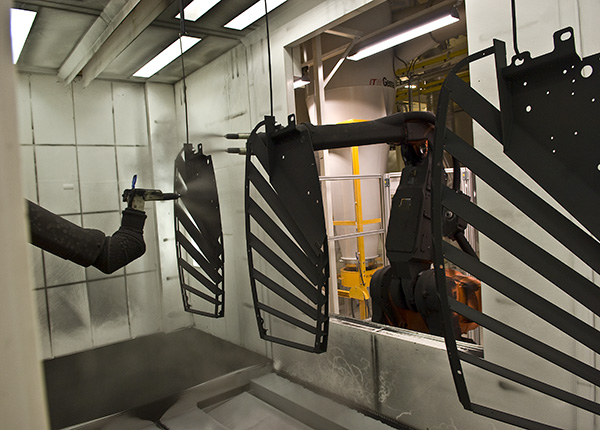
Two-leveled Powder Coating Line for Forklifts
With the ambition of reaching the overall environmental, quality and capacity targets of Toyota Material Handling Europe, Moldow supplied this automated powder coating line […]

Paint Shop for Automotive Plastic Parts
Paint shop design to high-end painting of plastic parts – Moldow has designed this painting lige for Plasman in Gothenburg […]